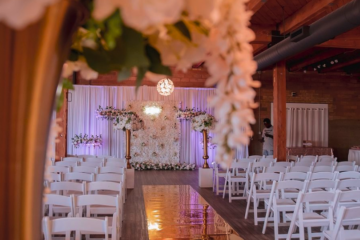
Ready to start planning your dream wedding? Discover how The Clybourn can support your sustainable vision and book your tour today, call/text 414-364-3761!
Discussing wedding budgets with your partner is a crucial step in planning a successful and stress-free wedding. Open and honest conversations about finances can help set clear expectations, avoid misunderstandings, and ensure that you both feel comfortable with your wedding plans. Here’s a guide on how to effectively discuss wedding budgets with your partner to make your planning process smoother.
1. Set a Time to Talk Schedule a dedicated time to sit down and discuss your wedding budget. Choose a time when you are both relaxed and free from distractions. This ensures that you can have a thoughtful and focused discussion.
2. Start with Your Priorities Begin the conversation by discussing what aspects of the wedding are most important to each of you. Identify your top priorities, whether it’s the venue, catering, or entertainment. Understanding each other’s priorities helps in allocating the budget more effectively.
3. Outline Your Overall Budget Agree on a total budget for your wedding. Discuss how much each of you is willing and able to contribute. This includes savings, financial contributions from family, and any other sources of funding. Having a clear budget helps in managing expectations and planning accordingly.
4. Break Down the Budget Divide the budget into different categories such as venue, attire, catering, photography, and decorations. Allocate estimated amounts for each category based on your priorities. This detailed breakdown helps in tracking expenses and staying within budget.
5. Discuss Potential Adjustments Be prepared to discuss and make adjustments as needed. If certain areas of the budget exceed expectations, talk about where you can cut costs or reallocate funds. Flexibility is key to managing a wedding budget effectively.
6. Consider Long-Term Financial Goals Discuss how the wedding budget fits into your long-term financial goals. Ensure that planning for the wedding does not compromise your future financial stability. It’s important to balance your wedding plans with other financial commitments and goals.
7. Address Concerns and Compromises Talk openly about any concerns or compromises. If there are disagreements, approach them with understanding and a willingness to find a middle ground. Effective communication is essential in reaching agreements that satisfy both parties.
8. Revisit the Budget Regularly Set up regular check-ins to review and adjust the budget as needed. Regular updates help in keeping track of expenses and ensuring that you stay on target. Revisiting the budget also allows you to address any unexpected costs promptly.
9. Seek Professional Advice if Needed If you find it challenging to create or manage your wedding budget, consider seeking advice from a financial advisor or wedding planner. Professional guidance can provide additional support and help you make informed decisions.
10. Enjoy the Process Remember that the budgeting process is part of the journey to your special day. Approach it with a positive mindset and focus on the joy of planning your wedding together. Keeping the lines of communication open ensures that you both remain engaged and excited about your wedding plans.
By discussing wedding budgets openly and thoughtfully, you can ensure a smoother planning process and create a celebration that reflects both of your visions while staying within your financial means.

Find Your Perfect Venue
Contact The Clybourn to explore our beautiful venue and find out how we can help make your special day unforgettable. Book your tour today at www.TheClybourn.com or call/text 414-364-3761!